 via Daily Prompt: Blink
I was sitting with my mother this past summer during an early evening in June. My husband was discussing some of the finer points of the agenda for the 75-year Commemoration of the bombing of Dutch Harbor and the evacuation of the Unangan people. Events were to include a memorial ceremony, historical presentations, personal stories, many luncheons and dinners, and flyovers by historical aircraft. The commemoration of a little-recognized part of history is significant and educational not only for those connected to World War II in the Aleutians, but for a much broader international public. My mother, who was 87 1/2 in June, had been 12 years old when the events of WWII enveloped the islands that she called home and changed her life forever.
On the morning of June 3, 1942 and continuing June 4, Japanese planes rained bombs on her home town of Unalaska and the Navy and Army infrastructure that had been constructed for the protection of Alaska and the lower 48 states. Within a month, her family was split apart as older siblings joined the military or, in the case of her two older sisters who had married servicemen, were evacuated to their husbands’ families in the lower 48. She, three of her siblings and her mother were forcibly evacuated to an abandoned fish cannery in Southeast Alaska. Her father, not being native, was not allowed to accompany them. They were not allowed to return to their home until late in 1945. Although the war ended, and things were supposed to return to normal, nothing was ever normal again. Families were smaller, having suffered the loss of 10 percent of their population in the detention camp. Economies were changed as industries that had been in place prior to the war had disappeared. Many Unangan homes had been ransacked by the military personnel and were unfit for habitation. The trust that they had in their government was badly damaged. My mother’s family was never, ever all together again after July of 1942.
So, a 75th year commemoration was a pretty important event in the life of my mother. It would mark a time when she knew that it most likely would be the last time she would see any of her friends who might come back for the commemoration. Only a handful of original evacuees remain living in Unalaska, so she was looking forward to seeing her now distant friends.
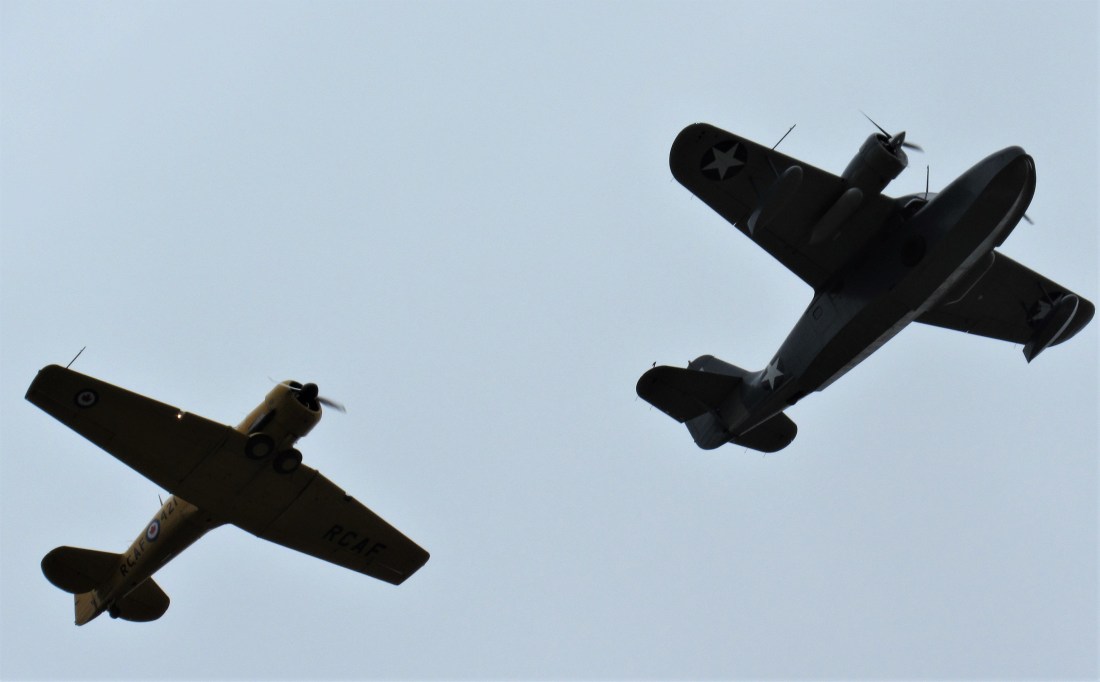
As she sat in the living room of the home in which she grew up, a drone of engines, starting out faintly, grew louder and louder, soon passing directly over the house. She turned toward us and in a surprised voice said, “The Japanese.” In the blink of an eye, with the sound of the plane engines, she was transported back to what was, most certainly, a hellish part of her life.

 Unalaska From My Point of View
You must be logged in to post a comment.