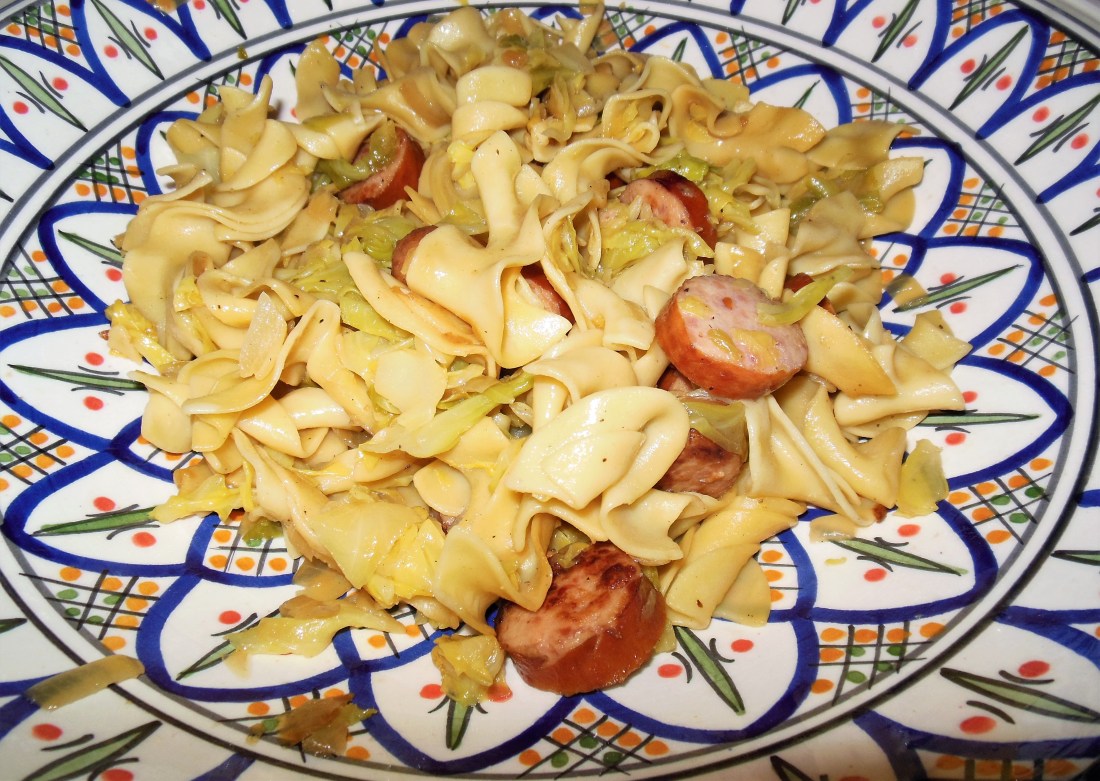
My daddy loved kielbaska, sauerkraut, noodles, cabbage, and perogies, albeit the perogies definitely had a native flair to them. His love of nut rolls and pastries with poppyseeds had my mother making special loaves and twists for Christmas morning breakfast that her great grandchildren expect, still, to this day. My father was born in Chicago and did not know more than a few words of English when he went to school in first grade. How is that? He was raised in a Slovakian community in the Chicago area. He soon moved to a farm in Wisconsin and finished his formative years in a very rural, close knit Slovakian community. He received The Fraternal Herald until the day he passed away, and a small insurance policy was paid out to my mother from a Slovakian insurance company policy that his parents bought when my dad was small.
And, yet, his four daughters knew very little about his Slovakian heritage. He felt it was more important that we be raised in mom’s culture, Unangax, an indigenous group from the Aleutian Islands. Once a people numbering 20,000 prior to Russian contact, within 60 years of contact the population was a shocking 1,875. And besides, he fell in love with the islands.
As time began taking a visible toll on my dad, it became so important to make sure he was comfortable and happy; that he not worry about anything. That he know that he did not have to leave the home he loved. That we do everything we could to make this happen. One night, when I made haluska for dinner, my mother looked at me like – whaaat? Well, I said, this is a Slovakian dish and I thought dad would appreciate it. He did and it was delicious. It’s funny how as we see time slipping by, we bring out the things we think will bring memories and comfort.
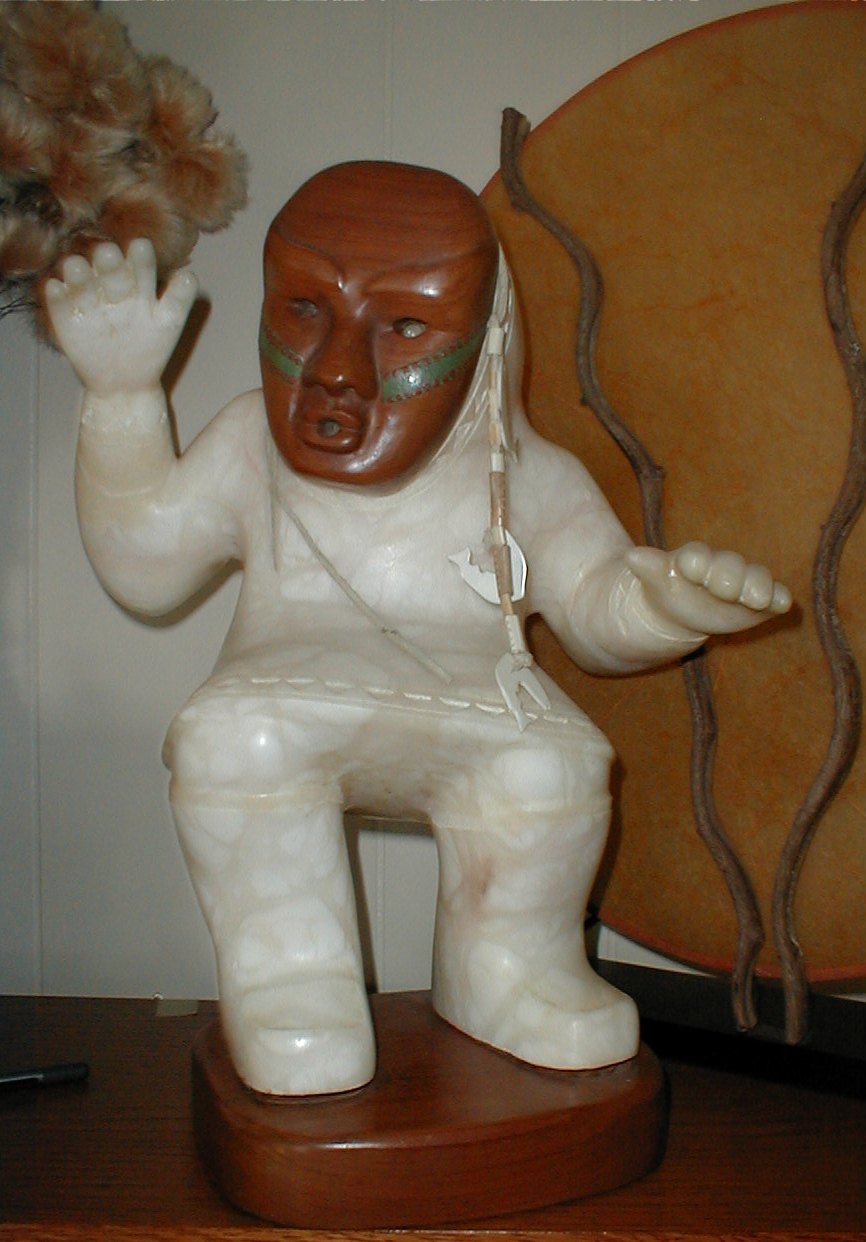 via Daily Prompt: Carve
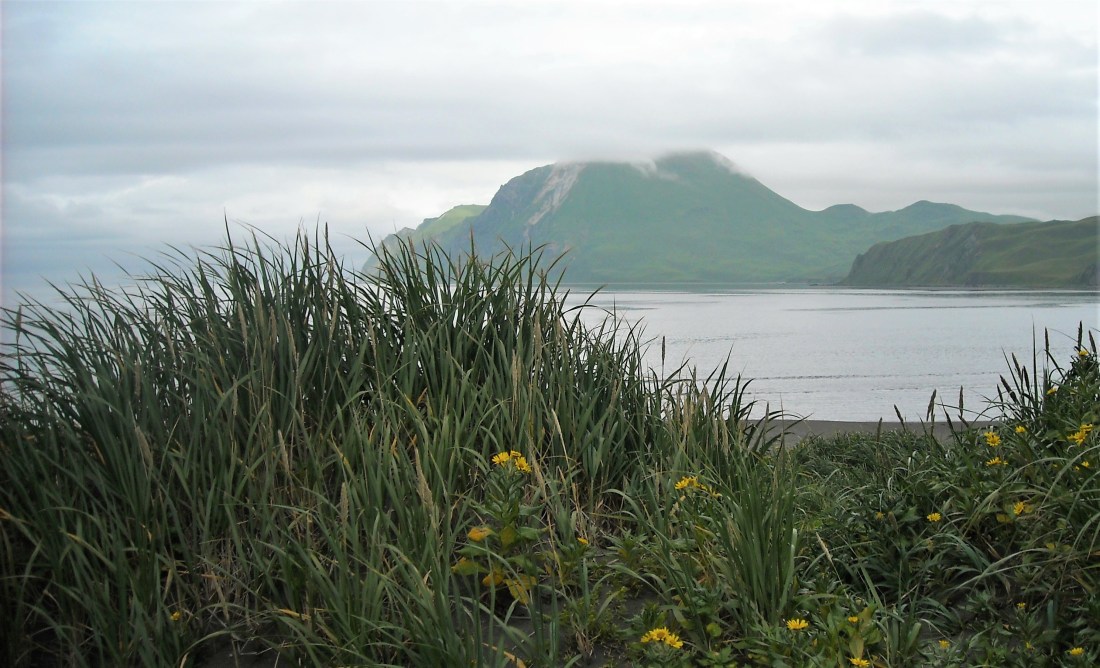 Weaving used to be a very utilitarian aspect of Unangan life. Grasses were used to weave fish baskets, berry baskets, clam containers, floor mats, wall coverings, room dividers, mittens, socks, burial mats, capes….you name it and it was probably a woven product. The beauty of the fine weaving, though, was not recognized until the Unangax^ were invaded by Russian fur procurers and items began leaving the region, either as items taken forcibly, or, in later years, as items of trade.
 Unalaska From My Point of View
You must be logged in to post a comment.